
Hotel Franchising Topics
Frequently Asked Questions (FAQs)
Franchising Process
Why should I join a hotel franchise?
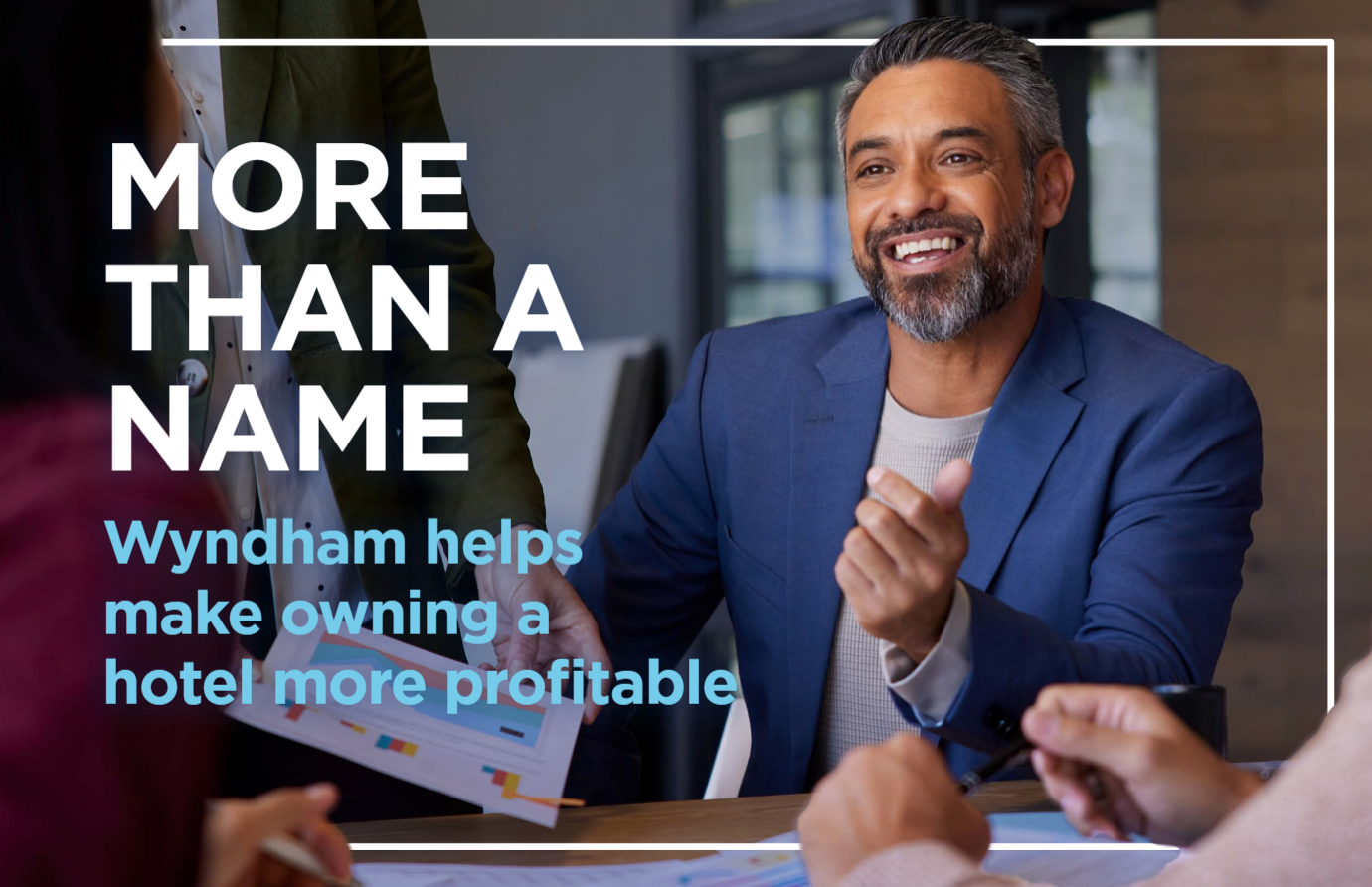
Franchising with a trusted hotel Franchisor helps provide instant credibility, marketing power, and operational support. When you join Wyndham, you get more than a recognizable brand name on your hotel—you gain a business partner. The Wyndham Advantage means access to our award-winning loyalty program, brand marketing and sales, global distribution, negotiated supplier savings, and cutting-edge technology platforms. It’s a powerful combination designed to help make hotel ownership easier and more profitable.
What kind of support do I get as a hotel franchisee?
At Wyndham, we live by an OwnerFirst philosophy, where we put owners at the center of everything we do. That means comprehensive support from the moment you sign to long after you open your doors. Our field-based operations team provides hands-on guidance to help optimize your property’s performance, while Wyndham University offers tailored training and education to strengthen your team’s capabilities covering topics like property operations, marketing, revenue generation, and guest experience. You’ll also benefit from our full suite of business solutions—from revenue management tools to technology platforms—designed to help you operate efficiently and competitively.
If you’re building a new hotel or doing a high-quality renovation, our expert Architecture, Design & Construction assists with project planning and execution, helping you open on time and on budget.
These resources, among others, reflect our commitment to positioning our franchisees for long-term success. With Wyndham, you’re never alone in achieving your goals. For more details on our comprehensive support services, learn about the Wyndham Advantage or connect with our team to discuss how our support can help your business .
Generally, how does the process of franchising a hotel work?
Hotel franchising allows owners to operate under an established brand. In exchange for fees and adherence to brand standards, franchisees gain access to the brand’s systems, expansive marketing, established loyalty programs, and ongoing operational support. Most franchise agreements are for 20 years. For information on how Wyndham supports franchisees, see answer above.
Steps to Owning a Hotel Franchise
- Evaluate Your Financial Position: Understand the capital required for both startup and ongoing costs. This includes the initial investment, franchise fees, and operating expenses.
- Research and Select a Brand: Start by identifying the hotel segments and locations that align with your goals. Compare brands to find the right fit.
- Submit a Franchise Application: Complete applications for desired hotel brand(s), showcasing your background, experience, and financials. Strong business plans and relevant experience can help move things forward.
- Review the Franchise Disclosure Document (FDD): The FDD outlines the franchisor’s fees, obligations, and legal terms. Work with legal and financial advisors to fully understand the agreement.
- Execute the Franchise Agreement: Once approved, you’ll sign the agreement and begin onboarding with your brand’s franchise support team.
- Secure Financing: Explore funding options such as SBA loans, traditional lenders, or investors. Many franchisors can recommend lenders familiar with hospitality.
- Open and Go Live Under the Brand: Our Hotel Integration team works with you to make the transition as smooth and straightforward as possible. Whether you’re launching a new build or converting an existing hotel, we’ll help you get up and running on brand systems and start welcoming guests under the Wyndham name.
Want help navigating the process? Our team is here to help.

What is a Franchise Disclosure Document (FDD)?
The Franchise Disclosure Document (FDD) is a legal document that provides detailed information about the franchisor, the franchise system, and the terms of the franchise agreement. It includes key information about initial fees, ongoing costs, legal obligations, and performance data. Reviewing the FDD with a legal advisor is a key step in making an informed decision before signing.
How long are hotel franchise agreements?
Most hotel franchise agreements are for 20 years. Renewal options may be available, depending on brand performance standards and mutual interest.
How long does it take to open a hotel franchise?
The timeline depends on the type of project. Converting an existing hotel can take just a few months, while a new construction project may take 18–24 months or longer. Factors like permitting, financing, construction progress, and how quickly onboarding steps are completed all play a role in how soon you can go live under the brand.
Do I need experience to become a hotel franchisee?
Not necessarily. Many successful hotel franchisees come from outside the hospitality industry. While experience in operations or business can help, it’s not required. If you’re new to hotels, partnering with a reputable hotel management company can provide the day-to-day operational expertise you need to run a successful hotel.
In addition, Wyndham’s local operations team provides franchisees with hands-on guidance to ensure you are making the most of the tools and services available to you.
How do I choose a brand?
With 25 distinct brands spanning the economy to upscale segments, Wyndham offers options for virtually every type of owner and market. The right fit depends on your goals, experience, capital, and the dynamics of your local market. Our experienced development team partners with owners every day to help identify the brand that best aligns with their vision. Connect with our team for a personalized conversation about how Wyndham can help you grow your business.
If I’m interested in a specific brand, how can I find out if it’s available in my market/local area?
Brand availability often depends on areas of protection (AOPs), which are designed to maintain market balance and support the success of existing franchisees. Other factors such as market saturation, development plans, and strategic growth goals may also play a role. Interested in where we’re growing our brands? Connect with our team for the latest insights and a personalized look at opportunities in your market.

Costs to Own a Hotel Franchise
How much does it cost to franchise a hotel?
The cost to own a hotel franchise varies widely based on brand/segment, market, and property size. Initial investments typically range from several hundred thousand to a few million dollars and may include franchise fees, construction or renovation, pre-opening costs, and working capital. Ongoing expenses such as staffing, maintenance, and utilities also factor into your long-term financial planning.
Initial Investment and Costs Involved
If you’re acquiring an existing hotel, your investment may include the purchase price of the property, due diligence costs, and any necessary renovations to meet brand standards.
For new construction projects, costs typically include land acquisition, development and construction, permits, and furniture, fixtures, and equipment (FF&E).
In both cases, if you choose to franchise your hotel, you’ll also have brand-related startup costs. These often include an application fee and an Initial Franchise Fee (IFF). You can find a detailed breakdown of these upfront brand fees in Item 5 of the brand’s Franchise Disclosure Document (FDD). For a copy of the FDD, get in touch with our team.
Breaking Down Franchise Fees
Franchise fees are an important component of your investment. They typically include ongoing royalty and marketing fees, often calculated as a percentage of your monthly gross room revenue (GRR). In return, Wyndham franchisees get access to so much more than a trusted name on their hotel. Owners tap into brand marketing, Wyndham Rewards, sales, distribution, negotiated buying power, leading-edge technology, and support to help make owning a hotel easier and more profitable. You can find a brand’s ongoing fees in item 6 of the brand’s Franchise Disclosure Document (FDD). For a copy of the FDD, get in touch with our team.
Cost of Ownership: Ongoing Operational Expenses
Beyond franchise fees, day-to-day operating costs are just as important to plan for. These include staffing, utilities, maintenance, insurance, and taxes — all essential to running a hotel and keeping the guest experience strong.

Will I need to renovate my existing hotel?
At Wyndham, we take an ROI-focused approach to property enhancements. Instead of applying a one-size-fits-all checklist, we look at your hotel’s unique condition, market, and performance goals. If updates are needed to meet brand standards, we’ll work with you to determine where enhancements can make the biggest impact — always with the goal of improving guest experience and supporting long-term success.
Buying a Hotel
How do I buy a hotel?
Purchasing a hotel is a significant investment that requires careful planning and execution. To break down the process, consider the following key steps:
- Define Your Investment Goals: Begin by clarifying your objectives. Determine the type of hotel you wish to operate—be it economy, midscale, or upscale—and identify your target market. The price range, and complexity of operations, vary widely across hotel chain scales. Understanding these factors will guide your decisions throughout the acquisition process.
- Conduct Market Research: Evaluate potential locations by analyzing market demand drivers, such as areas with growing tourism, steady business travel, nearby attractions, or limited existing hotel options. Understanding the local landscape helps you choose a market with real potential for success. Wyndham’s development team can help with a personalized market analysis. Interested in learning more? Connect with us.
- Assemble a Professional Team: Engage experts such as hotel brokers, financial advisors, and legal counsel who specialize in the hospitality industry. Their insights can assist in identifying suitable properties, navigating legal requirements, and structuring favorable deals.
- Due Diligence and Hotel Acquisition: Once a potential property is identified, conduct thorough due diligence. This includes reviewing financial records, inspecting the physical condition, and understanding existing management operations. After ensuring the property meets your criteria, proceed with negotiations and finalize the acquisition.
- Align with a Franchise Brand: Research hotel franchises to find one that aligns with your property’s characteristics and your business objectives. Reach out to the franchisor to understand their requirements, support systems, and brand standards. Carefully review the Franchise Disclosure Document (FDD) to comprehend all obligations and benefits before signing the franchise agreement. Establishing this alignment is crucial, as many lenders require a signed franchise agreement before approving financing.
Want help navigating the process? Our team is here to help.
Can I purchase an existing hotel and convert it into a franchise?
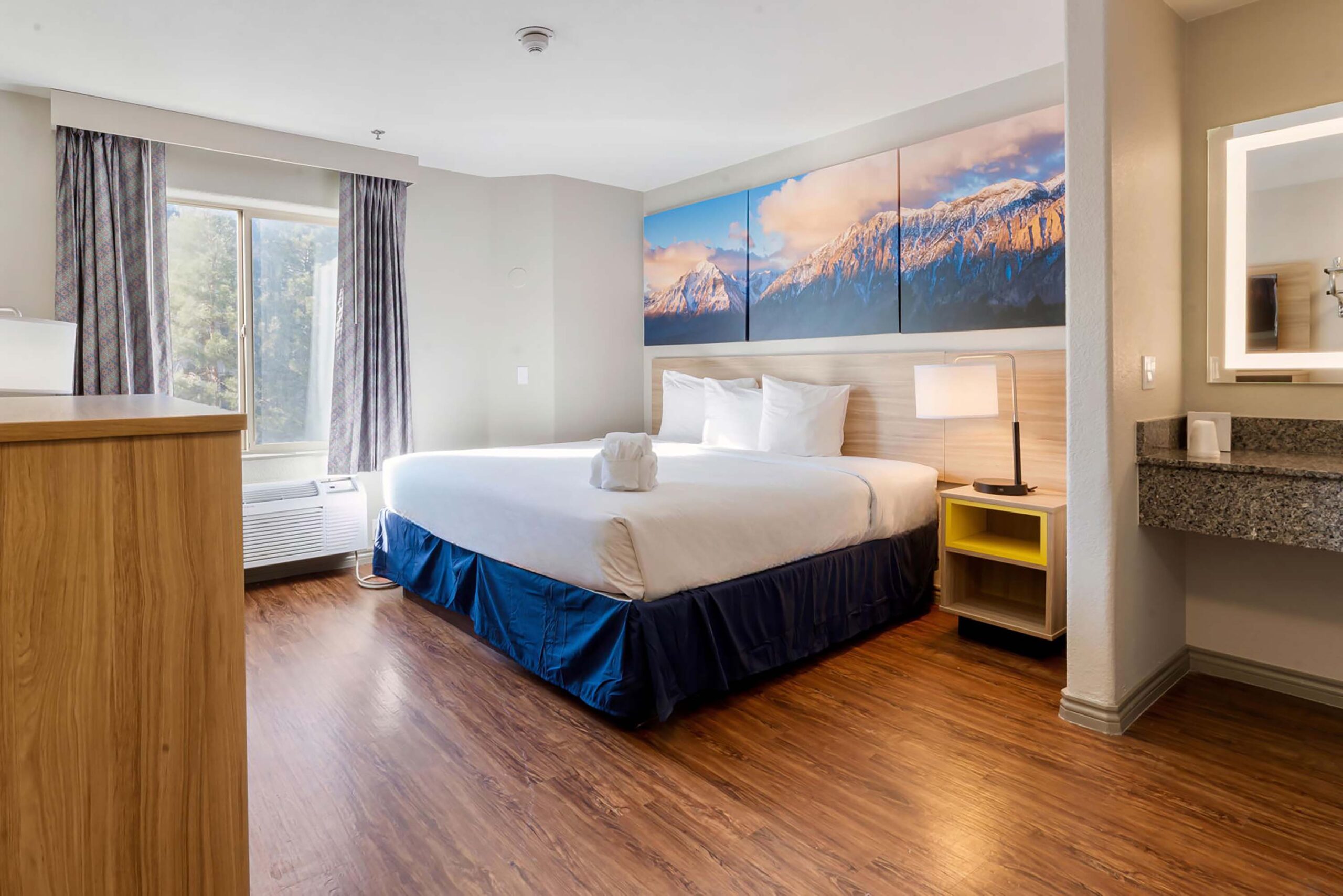
Yes. Purchasing an existing hotel and converting it into a franchise is a common—and often faster—path to hotel ownership, especially compared to building a new property from the ground up. By bypassing the construction process, you can begin generating revenue more quickly. Plus, an existing hotel provides a performance history, offering valuable insights into potential revenue and areas for improvement. These advantages make conversions an appealing option for first-time hotel owners. Converting your hotel to a Wyndham brand offers a strategic opportunity to enhance your property’s visibility, operational efficiency, and get the support you need to be successful. Learn more about converting your hotel to a trusted Wyndham brand, or speak to our team to explore if your hotel is a good fit.
Hotel Profitability
Is owning a hotel a profitable business?
Hotel ownership can absolutely be a profitable venture—with the right brand, location, and operational approach. Not only do hotels generate income through operations, but they are also real estate investments, which can appreciate over time and contribute to an owner’s overall return. Hotels generally demonstrate strong Gross Operating Profit (GOP) margins compared to other industries, particularly when operational efficiency is optimized. And while hotels do require more active oversight, that added involvement often comes with higher revenue potential. Many owners choose to work with an experienced hotel management company to help streamline day-to-day operations and maximize performance. A strong brand partner like Wyndham can also make a measurable impact, offering tools and support to help you grow your business and improve profitability.
While we are not able to make financial performance representations about your expected profits, you can find useful financial information about each of Wyndham’s brands within their Franchise Disclosure Document (FDD). To get a copy of one of Wyndham’s FDDs, reach out to our team.
How do hotel owners make money?
Hotel owners typically earn income in two key ways: operational returns and real estate appreciation. On the operations side, most revenue comes from room sales, which represent the largest and most consistent income stream. Other income sources may include ancillary services such as early check-in/late check-out, vending, pet fees, retail offerings, and food & beverage, depending on the property. Strong revenue management practices— like adjusting rates based on demand patterns, pacing, and competitive benchmarks —play a critical role in maximizing profitability. Wyndham’s franchisees get access to RevIQ, a proprietary tool that helps owners do just that—automatically ‘rate shopping’ local competitors’ pricing 5x daily, recommending pricing to help maximize RevPAR. A well-performing hotel not only drives stronger operating returns—it can also increase the property’s market value, further enhancing your long-term investment. Ultimately, keeping costs in check while driving steady occupancy and rate performance is the key to improving gross operating profit (GOP), while long-term real estate value can help build lasting wealth.
Navigating the Road to Hotel Ownership
Owning a hotel is a major commitment—but with the right partner, it’s also an opportunity to build a successful, long-term business. From exploring costs and selecting a brand to opening your doors and helping to driving profitability, Wyndham is here to support you every step of the way. Our team is ready to help you navigate the process, understand your options, and find the right fit for your goals. If you’re ready to start the conversation, we’re ready to help.